Choosing a staff safety system is an important decision. Whether you're upgrading an existing system, planning a refurbishment or starting a new project, there are several factors to consider before deciding which solution is right for your organisation.
To help with the decision, we've put together 5 key questions to consider when choosing or updating your staff safety system.
1. Will it help staff get assistance quickly?
When an incident occurs, every second matters. A staff safety system should make it quick and straightforward for staff to raise an alert, while ensuring that the alert is communicated to the right people as quickly as possible.
When assessing a system, consider how quickly an alert can be raised, communicated and acted upon. Think about where alerts need to be received, whether the system can identify precisely where assistance is required, and how it fits into your existing response procedures.
The aim is to make sure staff have a reliable way to call for assistance when they need it, while helping responding colleagues understand what is happening and where support is required.
2. Can it be suited to your working environment?
No two organisations are the same, staff safety systems shouldn't neccessarily take a one-size-fits-all approach.
The layout of your building, the roles your staff carry out, your working practices and the situations where assistance may be required should all influence the system you choose.
For example, some staff may work across different areas of a site and need a wearable personal alarm, while other environments may benefit from fixed call points in specific locations.
Consider the people who will use the system, where they work and the different scenarios in which they may need assistance. This can help you identify what devices and features are appropriate for your environment.
3. How easy is it for staff to use?
During a stressful situation, staff shouldn't have to think about how to operate their safety system.
Activation should be straightforward and accessible, allowing staff to focus on the situation rather than the technology.
When reviewing potential systems, consider how the devices are activated, where they are positioned and whether staff can easily access easily without disrupting their normal working day.
It can also be useful to involve staff in the process. The people who will use the system every day can provide valuable insight into what would work practically within their roles and environment.
4. Will it work alongside your existing systems and procedures?
A new staff safety system doesn't necessarily need to replace everything you already have in place.
Consider how the system can complement your existing safety and emergency procedures, communication tools, technology and infrastructure.
Depending on the environment, this could include considering how a staff safety system works alongside existing systems such as CCTV, access control or other communication technologies.
It's also important to consider your existing procedures for responding to incidents. Technology is one part of a wider staff safety strategy, therefore the system should support the way your organisation already manages and responds to calls for assistance.
5. What happens after installation?
Once the system is installed, it’s important to consider what happens next. What training will staff receive? How will the system be tested and maintained? And what support will be available if you need help?
Ongoing maintenance, testing and staff training can all help ensure that the system continues to perform as expected when it is needed. When choosing a solution, consider the support available throughout the lifetime of the system, not just during installation.
How can Pinpoint Help
Pinpoin't P2 Staff Safety System is designed to provide a connected approach to staff safety, helping organisations raise, communicate and respond to assistance and emergency calls.
The P2 System includes a range of devices, including:
-
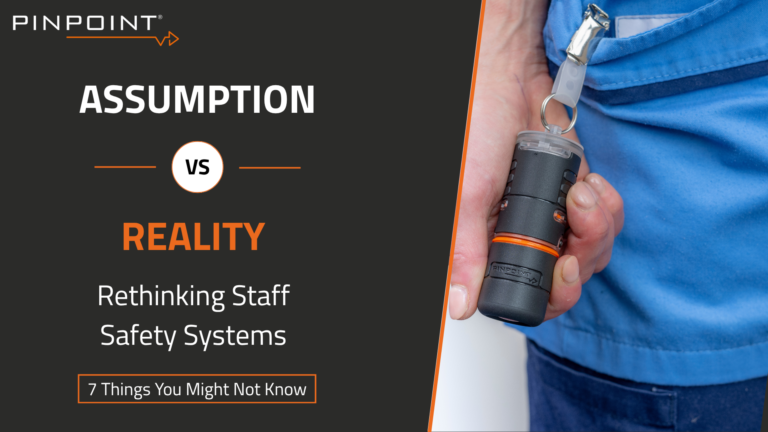
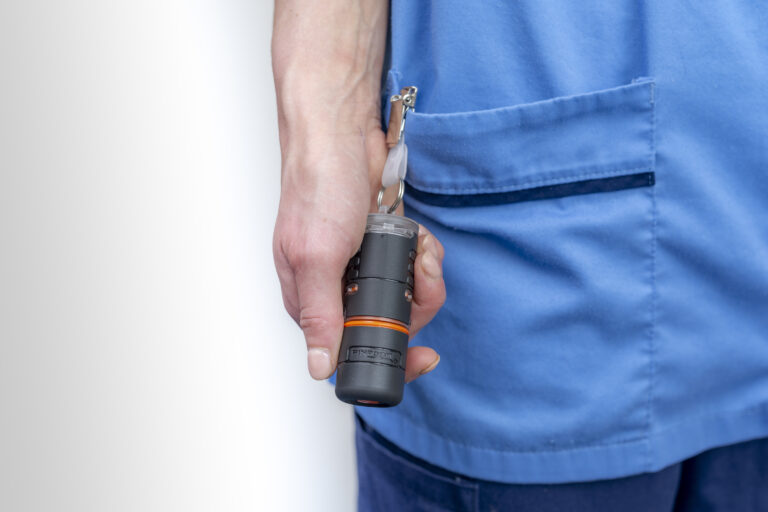
P2 Personal Infrared Transmitters (PITs) for discreet personal alarm activation
-
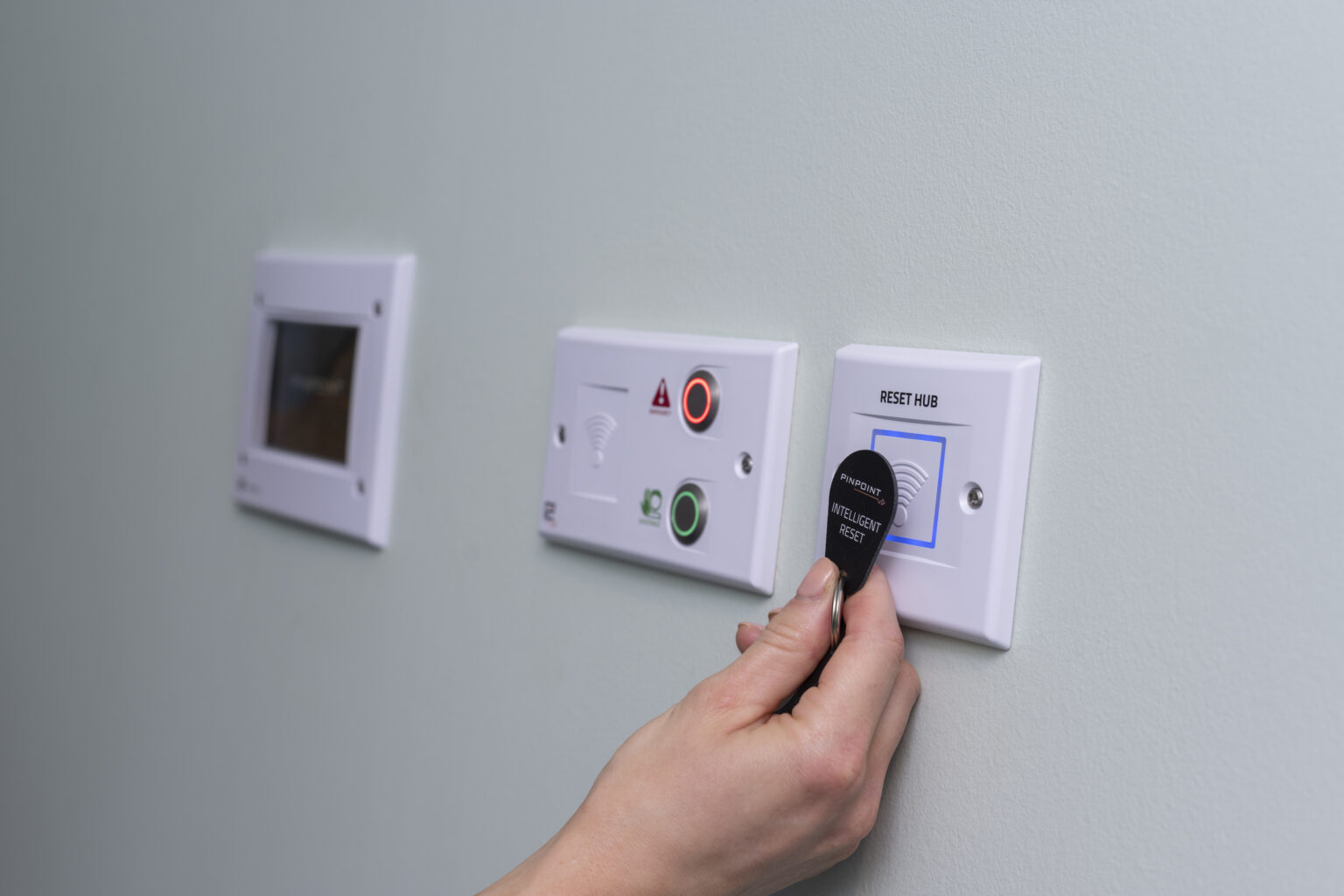
P2 Call Buttons for fixed assistance and emergency activation
-
Display Units to communicate alerts and their location to responding colleagues
-
Reset Devices to manage and clear activated alarms
The System can be tailored around the requirements of the individual environment, helping organisations create a staff safety solution that works alongside existing infrastructure.
Whether you're planning a staff safety uprgrade, refurbishment or new project, considering these questions can help you identify what your organisation needs from a system and what to look for.
Planning a staff safety project?
Speak to the Pinpoint team to discuss your requirements and find out how the P2 Staff Safety System could work within your environment.
- Eilidh Mcintyre
- September 29th, 2026
- Follow Us on LinkedIn