No products in the cart.
29 September 2026

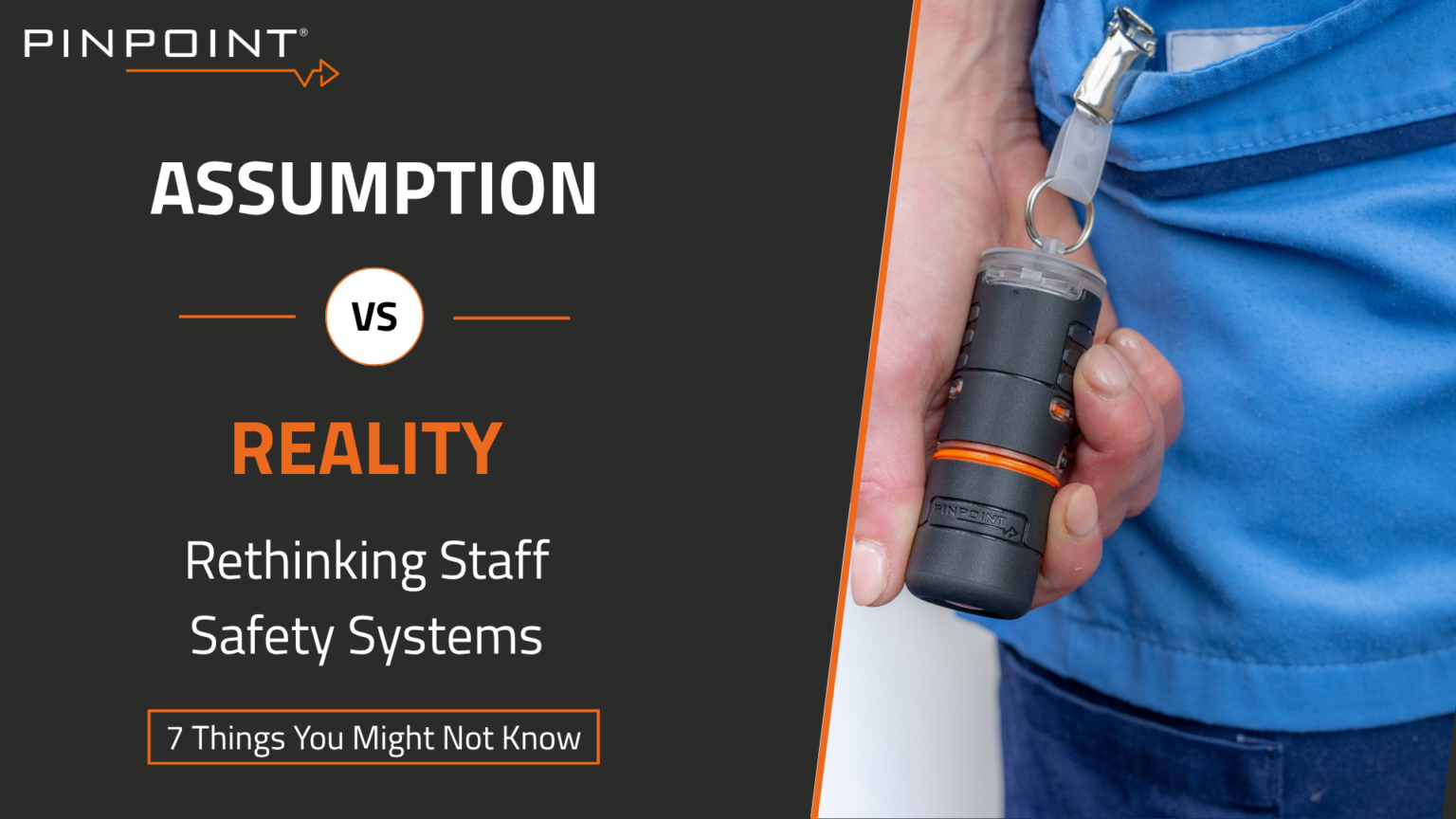
A staff safety alarm is often associated with emergency situations, but its role can extend beyond simply raising an alarm when something goes wrong.
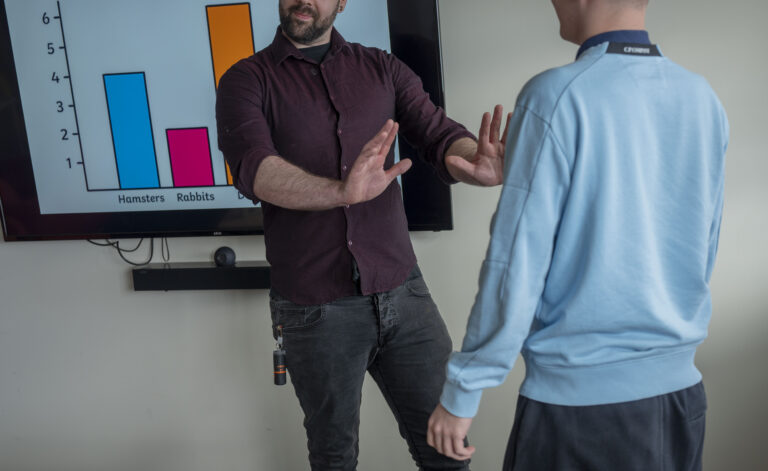
Modern staff safety systems can support assistance requests, lone worker protection and emergency situations, helping staff access the appropriate support when they need it.
This can be particularly important in environments where staff may work independently, encounter challenging situations or need to request assistance quickly.
The purpose of a staff safety system is not simply to respond to an emergency. It is to provide a practical means of communication and support as part of an organisation's wider staff safety arrangements.
Another common perception is that staff safety technology is large, noticeable or disruptive to the working environments.
In reality, modern systems can be designed with everyday use in mind.
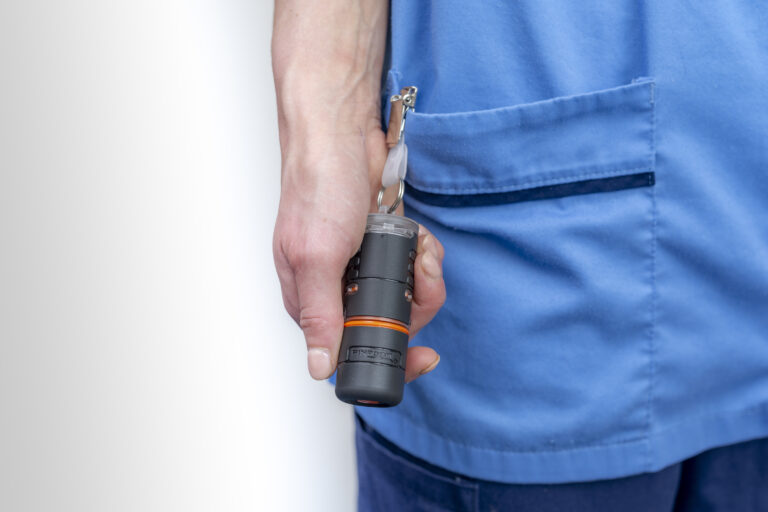
Personal staff safety devices can be discreet and practical, allowing employees to carry or wear them throughout their working day without unnecessary interference with how they work.
This is important because staff safety alarms need to be accessible when it is needed, but it also needs to be practical enough that staff are comfortable using it as part of their normal working environment.
Technology that is difficult or uncomfortable to use may be less effective in practice. Ease of use and accessibility therefore form an important part of choosing a staff safety solution.
Staff safety isn't limited to environments traditionally considered high risk.
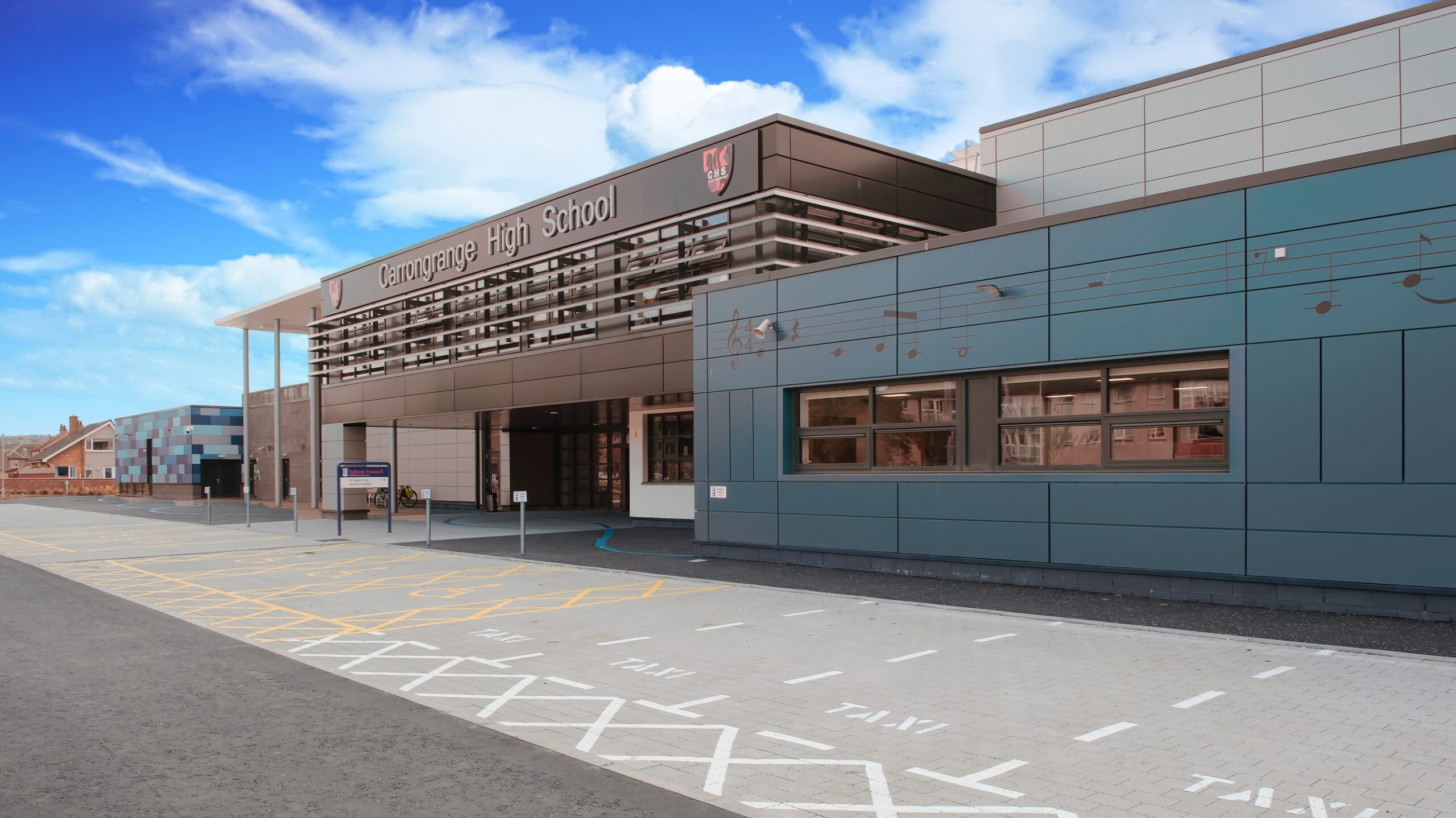
Healthcare, education, retail and other working environments can all present situations where employees may need rapid assistance.
The type and level of risk will vary between organisations, which means there is no single approach to staff safety that will work everywhere.
For example, a hospital may have different requirements from a school, while a care environment or retail setting may have its own specific considerations.
The important question is not simply whether a workplace is classified as "high risk". Instead, organisations should consider the situations their staff may encounter and whether employees have appropriate ways to request assistance when they need it.
A staff safety system can therefore be considered as part of a broader risk management approach, tailored to the needs of the individual working environment.
Perhaps one of the biggest misconceptions is that a staff attack alarm is simply a button that someone presses.
While raising an alert is an important function, modern staff safety technology can incorporate a range of additional capabilities.
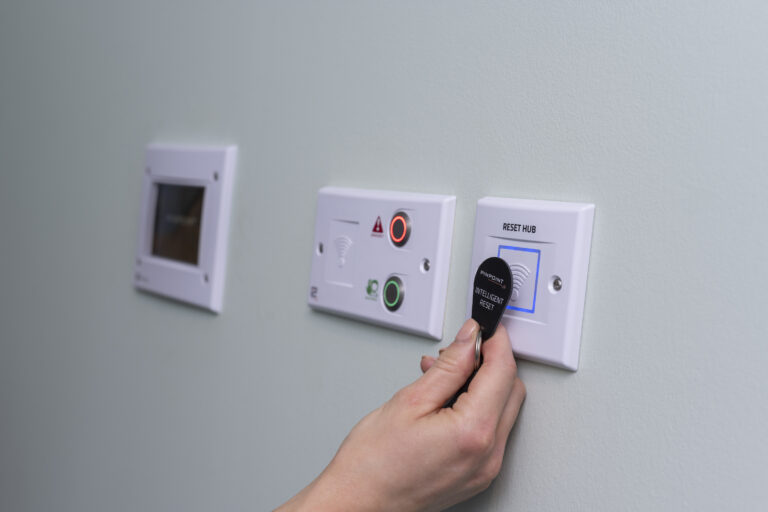
For example, systems such as the Pinpoint P2 System can provide location identification, integrate with other technologies and help organisations coordinate a rapid response when assistance is required.
This can help turn a standalone alarm into part of a more connected staff safety system.
Location awareness is particularly valuable when an organisation operates across multiple rooms, departments, floors or buildings. Knowing where assistance is required can help support an appropriate response rather than simply indicating that an alarm has been activated.
The right solution will depend on the organisation and its environment, but staff safety technology can offer considerably more than a single alert button.
Introducing a new staff safety system does not necessarily mean replacing everything that is already in place.
Many organisations already have security and communication technologies operating within their buildings. The ability for a staff safety solution to work alongside existing infrastructure can therefore be an important consideration.
Rather than creating unnecessary disruption, modern systems can be designed to complement an organisations existing safety arrangements.
This can make it possible to enhance staff safety capabilities while continuing to make use of infrastructure that is already familiar to the organisation.
When reviewing a staff safety system, it is therefore worth considering not only what the new technology can do independently, but also how it could work with the systems already in place.
Staff safety doesn't happen in isolation.
Organisations may already use technologies such as CCTV, access control and other security systems to help protect their staff and premises.
Modern staff safety solutions can integrate with these technologies, helping create a more connected approach to safety and security.
For example, the Pinpoint P2 System can integrate with technologies such as CCTV and access control, helping organisations connect staff safety alerts with their wider security infrastructure.
This is valuable when organisations are looking to improve communication, situational awareness and incident response.
Perhaps the most important consideration is what a staff safety system can provide before an incident ever happens.
Knowing that reliable assistance is available can help staff feel supported and more confident in their working environment.
That doesn't mean technology can remove workplace risks entirely, it highlights that a staff safety system should form part of a wider approach that can include policies, procedures, training, risk assessments and appropriate support.
However, giving employees access to a reliable way of requesting assistance can contribute to a working environment where staff know support is available when they need it.
Staff safety is therefore not just simply about what happens during an incident. It is also about creating an environment where employees feel supported every day.
These assumptions highlight an important point: a modern staff safety system is about much more than raising an alarm.
When organisations review their staff safety arrangements, it is worth looking beyond individual features and considering the wider environment in which the system will operate.
Questions to consider:
Taking this broader approach can help organisations identify a staff safety solution that is appropriate for their people, environment and the risks they need to manage.
The Pinpoint P2 System is designed to provide practical staff safety and communication capabilities, including discreet assistance, location identification and integration with existing technologies.
From healthcare and education to other working environments where staff may need rapid assistance, the right technology can help organisations create a more connected and responsive approach to staff safety.
Effective staff safety is about giving people the right tools, support and processes to help; them feel safer and more confident in their working environment.
If you're reviewing your current staff safety arrangements or considering a new staff attack alarm or staff safety system, speak to the Pinpoint team to discuss your requirements.
Our team can help you explore a solution designed around your organisation, your environment and the needs of your staff.