Nurse call systems play an important role in healthcare environments, providing patients with a way to request assistance and helping staff identify when support is needed.
From hospitals and care homes to specialist healthcare facilities, an effective nurse call system needs to do more than simply generate an alert. It should provide patients with a straightforward way to call for help and ensure that staff can identify and manage incoming calls appropriately.
When choosing a nurse call system, several factors need to be considered, including reliability, accessibility, clear communication and suitability for the care environment.
So, what makes an effective nurse call system, and what should healthcare providers look for when choosing a solution?
1. Reliability When It Matters Most
The primary purpose of a nurse call system is simple: when a patient needs assistance, their call needs to be communicated reliably.
Reliability should therefore be one of the most important considerations when selecting a patient call system. The equipment needs to be suitable for its intended environment and designed to support consistent operation during everyday use.
This includes considering how calls are activated, how their location is identified and how staff are notified that assistance is required.
Additional features and integrations can provide valuable functionality, but they should complement the core purpose of the system rather than introduce unnecessary complexity.
Ultimately, healthcare providers need to choose a solution that meets the practical requirements of their facility and supports the way patient calls are managed.
2. Simple and Accessible Patient Call Buttons
For patients, the call button may be their main interaction with the nurse call system. It should be straightforward to identify and operate when assistance is required.
The positioning and design of patient call buttons are important considerations. They should be installed in appropriate, accessible locations based on the needs of the patients and the layout of the facility.
Clear visual indicators can also help communicate call status, providing useful information to patients and staff.
When evaluating a patient call button, healthcare providers should consider its ease of use, visibility, durability and suitability for the intended installation environment.
A system may offer a wide range of technical features, but these need to be supported by equipment that is practical for the people using it. A well-considered design helps make requesting assistance as straightforward as possible.
3. Clear Communication for Staff
When a patient activates a call button, staff need to know that assistance is required and where the call has originated.
How this information is communicated depends on the wider nurse call system and the needs of the care environment. Displays, visual indicators, handsets and other compatible communication devices can all play a role in notifying staff about incoming calls.
The ability to identify the location of a call is particularly important in larger facilities, where staff may be responsible for multiple rooms or areas.
Healthcare providers should consider how calls will be presented, how individual locations will be identified and how staff will receive the information they need.
The aim is to ensure that the technology supports existing workplace practices and provides clear, useful information without adding unnecessary complexity to everyday care.
4. Designed Around the Healthcare Environment
Not every healthcare facility has the same requirements. A hospital ward, care home, mental health ward or specialist healthcare unit may each present different considerations when selecting a nurse call system.
The layout of the building, the needs of patients, the location of call points and the demands placed on the equipment should all influence the choice of solution.
Durability is another important consideration, particularly in areas where equipment may be exposed to moisture or frequent use. Depending on the application, specific environmental protection or additional design features may be required.
It is also important to consider how the system will operate within the wider building, including how calls will be managed and whether additional equipment or communication devices are needed.
Taking the time to understand these requirements can help healthcare providers select a patient call solution that is appropriate for the environment in which it will be used.
5. Maintenance, Support and Long-Term Suitability
Choosing a nurse call system involves more than considering the initial installation. Healthcare providers should also think about ongoing maintenance, technical support and the potential for their requirements to change over time.
Building modifications, changes to the use of facility and evolving patient or staff needs may influence how a system needs to be configured in the future.
It is therefore worth considering the availability of technical support, replacement components and options for adapting the system where required.
Taking this broader view can help healthcare providers assess whether a nurse call solution is suitable not only for their immediate needs but also for the ongoing operation of their facility.
6. The Right features for Everyday Care
Modern nurse call systems can offer a range of features designed to support the management of patient calls. However, the most useful functionality will depend on the individual facility and how the system is intended to operate.
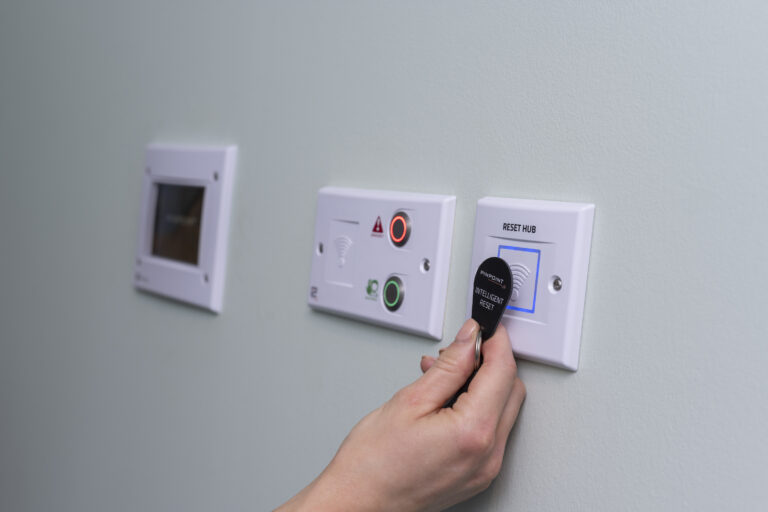
For example, some environments may benefit from clear visual call indicators, while others may require individual identification of call points or particular methods of resetting calls.
Compatability with displays and communication devices may also be an important consideration, depending on how staff need to receive and manage alerts.
Rather than choosing a system based solely on the number of features available, healthcare providers should identify which functions are most relevant to their patients, staff and working environment.
By focusing on practical requirements, it becomes easier to assess the available options and select a nurse call system that provides useful functionality without unnecessary complexity.
Choosing the Right Nurse Call System
An effective nurse call system combines reliable operation, accessible patient call buttons, clear communication for staff and equipment suited to the environment in which it will be used.
It is also important to consider the wider system, including how calls are identified, how staff are notified and how the solution can be maintained over time.
By looking beyond individual features and considering how the complete system will be used, healthcare providers can make a more informed decision when selecting a patient call solution.
Discover Pinpoint's P2 Patient Call Button
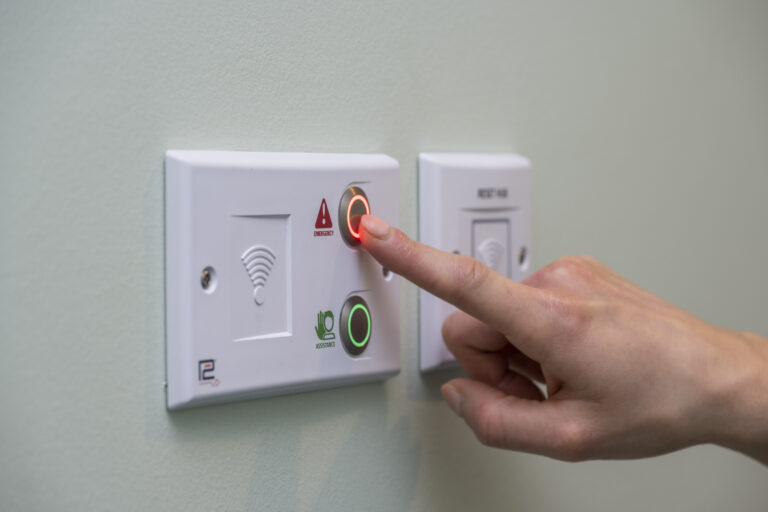
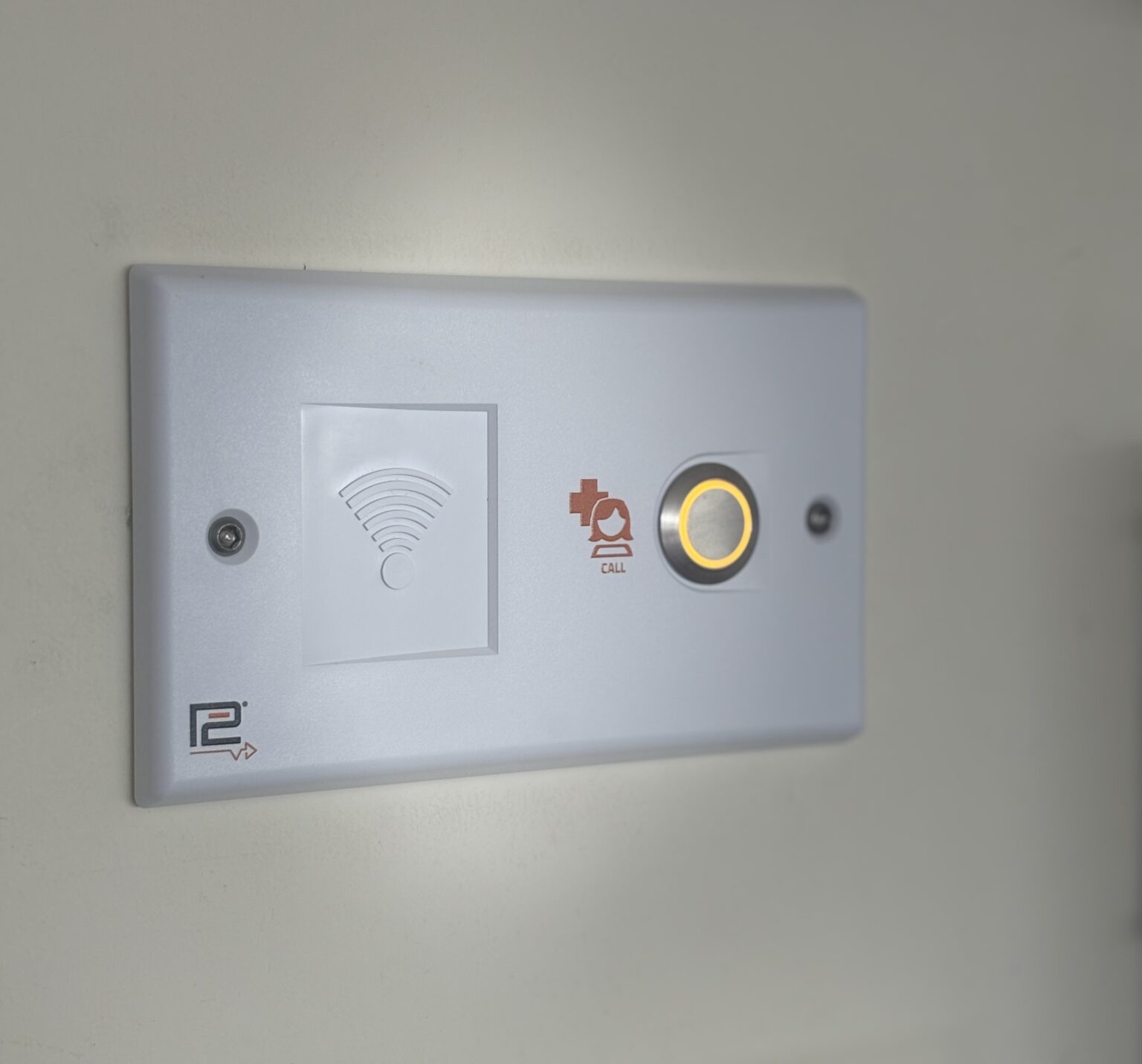
Pinpoint's P2 Patient Call Button provides a wall-mounted way for patients to request assistance from staff as part of the wider P2 System.
Available in different configurations, the P2 Patient Call Button offers features including illuminated buttons, addressable options and an IP67-rated variant for suitable installations. These options allow healthcare providers to consider the requirements of their facility when selecting equipment for a particular application.
Whether assessing usability, call identification or suitability for the installation environment, it is important to choose equipment that aligns with the needs of the people using it and the wider nurse call system.
Explore the Pinpoint P2 Patient Call Button to discover its features and available options.
- Eilidh Mcintyre
- October 14th, 2026
- Follow Us on LinkedIn