Choosing a Staff Panic Alarm System for Your Organisation
Choosing a Staff Panic Alarm System for Your Organisation
Why Choosing the Right Staff Safety System Matters
Protecting staff in the workplace is an important consideration for organisations across healthcare, care homes, mental health facilities, education and other environments where staff are at high risk of facing violence. For many organisations, ensuring employees can request assistance when they need it is an essential part of a wider approach to workplace safety.
With different staff panic alarm systems available, choosing the right solution requires careful consideration. Organisations need to look beyond the alarm device itself and assess how a system will operate within their environment, communicate alerts and support an effective response.
Whether you are reviewing an existing system or planning a new installation, understanding the key features and requirements can help you make a more informed decision.
What is a Staff Safety Alarm System?
A staff safety alarm system or staff panic alarm, enables employees to raise an assistance or emergency alarm if they are facing an escalated incident, potentially violent situation or require urgent support from colleagues.
These systems are particularly valuable in environments where staff face an increased risk of aggression and where they may face unexpected moments of distress.
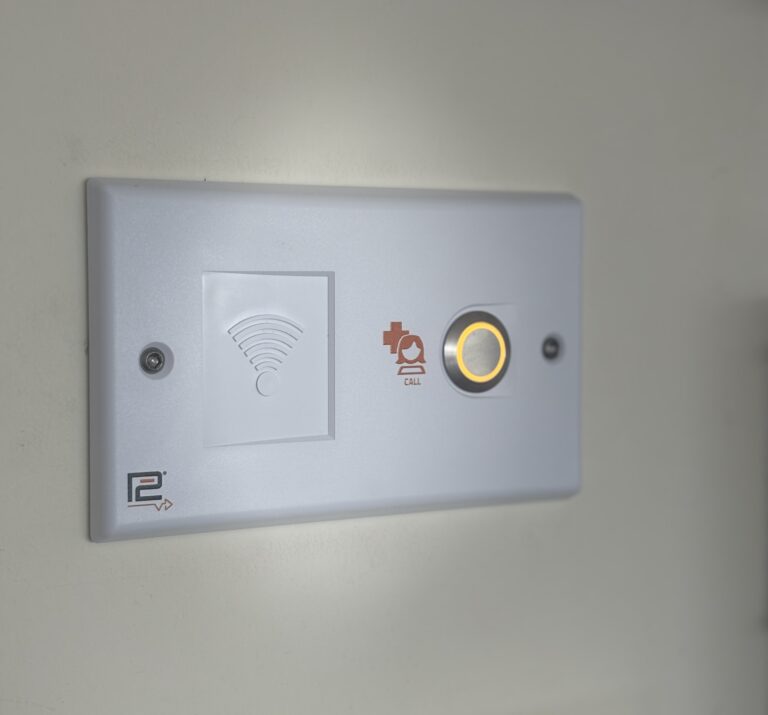
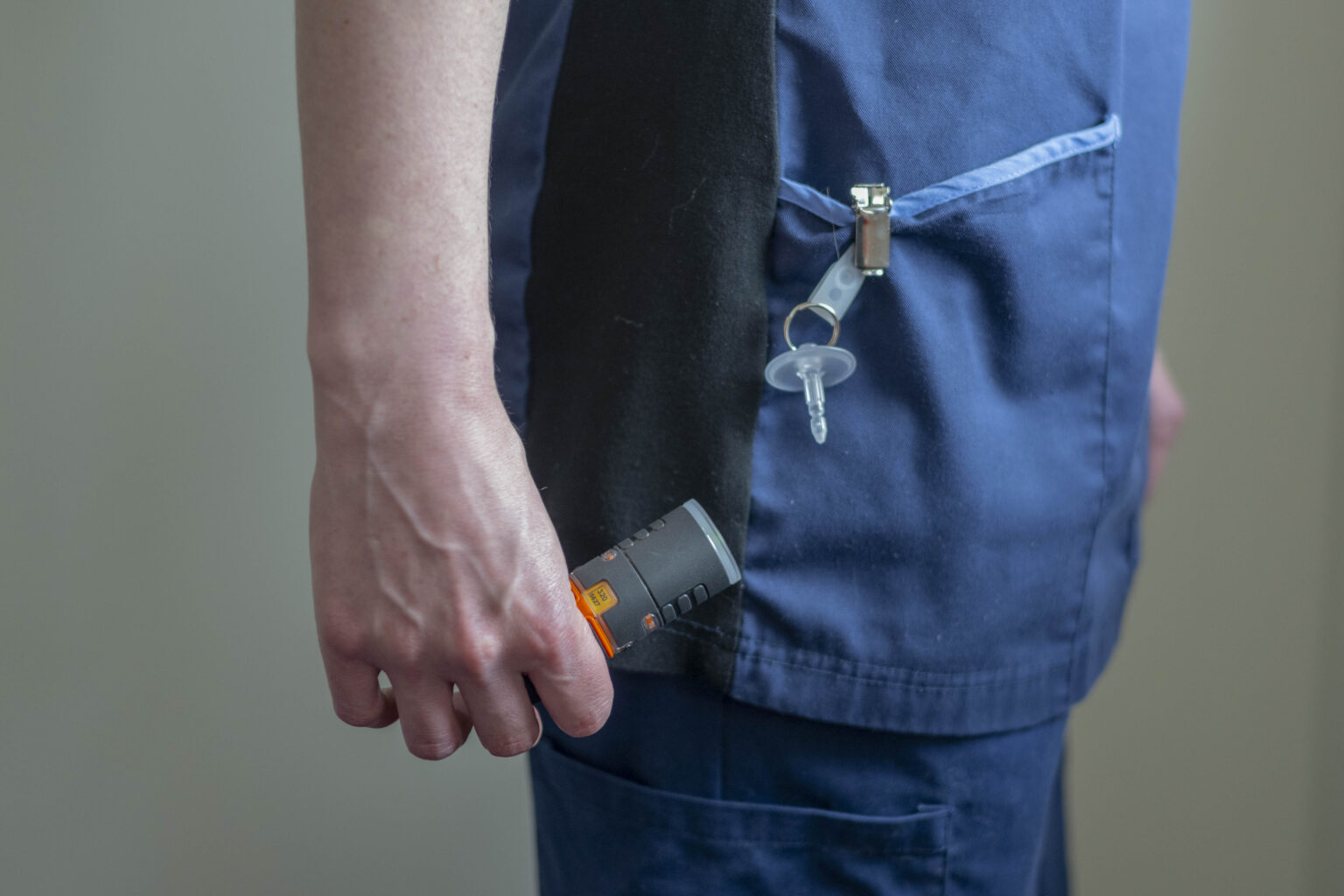
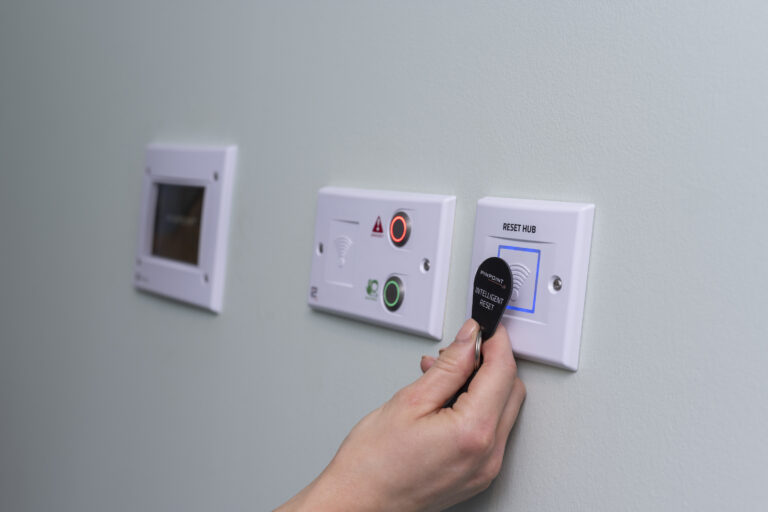
Depending on the technology, employees may activate an alarm using a wearable personal alarm device or from a fixed call point. The alert is then communicated to display units, including mobile alerts and visual indicators, alerting dedicated colleagues or response teams, helping to identify where support is needed.
Often, a staff safety system or staff panic alarms, are requirements for certain workplaces, making it essential to choose the most effective system to meet staff protection and safety requirements.
However, not every workplace has the same staff safety requirements. The most appropriate solution will depend on the environment, the risks employees face and the procedures in place for responding to an alarm.
Understanding the Risks in Your Working Environment
Before choosing an staff panic alarm system, it is important to understand the specific risk within your organisation.
A hospital, mental health facility, school and retail environment will each have different operational requirements. Even within a single hospital, the needs of an emergency department may differ considerably from those of an inpatient ward or mental health unit.
Consider the situations in which staff might need to request assistance. These could include encounters involving aggression, working in isolated areas, managing challenging incidents, responding to an emergency or when a situation requires additional hands-on support.
A suitable system should reflect these circumstances rather than relying on a one-size-fits-all approach. By identifying the areas where assistance may be needed most, organisations can make more informed decisions about the coverage, features and configuration required.
Considering How Staff Can Call for Help
In a situation where someone needs urgent support, activating an alarm should be straightforward and practical.
Staff may need to raise an alarm while carrying out their normal duties, moving between areas, or responding to an unexpected incident. A complicated activation process could make the system more difficult to use when staff need it most.
When assessing staff safety options, consider:
Ease of use: Can staff activate the alarm quickly and confidently?
Discreet design: Can the device be carried or worn comfortably throughout a shift?
Accessibility: Is the activation method appropriate for the staff members who will use it?
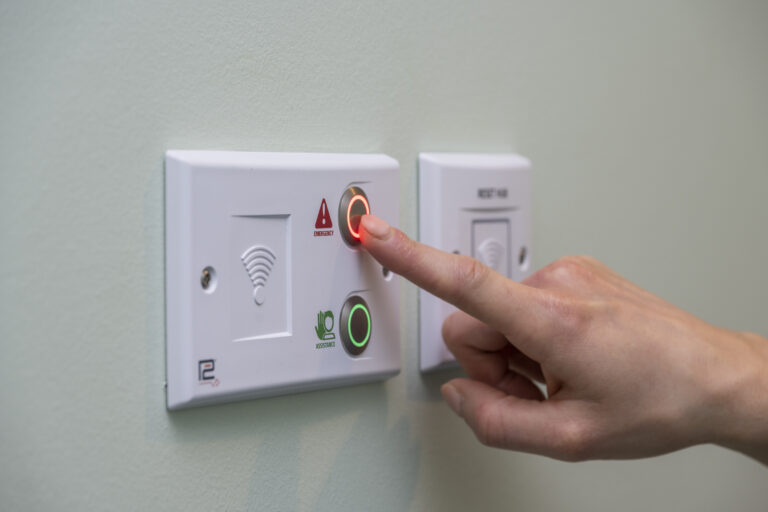
Alarm Types: Can the system distinguish between a request for assistance and an emergency?
Staff Familiarity: Can employees easily learn how to use the device and understand what happens when an alarm is activated?
It's also important to consider exactly how staff will call for help. Will fixed alarm buttons be installed in key locations around the building, or will staff carry personal devices that allow them to raise an alarm wherever they are? The method of activation should ensure staff can request help quickly when they need it.
The aim is to choose technology that supports staff in their day-to-day roles while giving them a practical way to request help.
Location Accuracy and System Reliability
Knowing that an alarm has been activated is important, but responders also need information about where the incident is taking place and whether it's an emergency or assistance alarm.
In a large buildings, identifying the correct room or area can help colleagues understand where they need to go to support an alarm. This makes location identification an important consideration when comparing staff safety alarm systems.
It is also worth examining how the technology communicates alarm signals and how it performs within the building. For example, does the alarm communication rely on connection with WiFi or does the system use other communication capabilities to reliably communicate an alarm.
How reliable is the system? Key questions to ask include:
How does the system identify the location of an activated alarm?
Has coverage been assessed across the areas where staff may need assistance?
How does the system communicate alerts to the appropriate responders?
What happens if a component develops a fault?
What testing and maintenance procedures are recommended and available?
Different technologies operate in different ways, so it is important to understand their capabilities and limitations within your environment.
Understanding these technical differences can help organisations assess which solution best suits their building, operational requirements and existing infrastructure.
The Pinpoint P2 System uses intelligent infrared technology within its staff safety system, with receiver units communicating alarm information to display and communication devices in less than 85 milliseconds. The system is designed to provide location specific alerts without relying on WiFi for the alarm communication network.
Compatibility with Existing Infrastructure
For organisations operating within established buildings, installing a new staff safety alarm system may involve more than selecting the devices themselves.
For instance, hospital buildings often contain complex infrastructure and must continue delivering services while improvements are planned and implemented. Any proposed installation should therefore be assessed in the context of the building, existing security arrangements and day-to-day operations.
Before committing to a solution, consider whether it can work alongside your existing systems, what installation work may be required and how disruption can be managed.
Useful questions include:
Can the system integrate with relevant existing security or communication networks, such as CCTV or door access?
What infrastructure is needed to support the installation?
Will coverage need to be assessed or adapted across different areas?
Can installation be planned around clinical activities and access requirements?
What arrangements will be needed for future expansion or upgrades?
These considerations are particularly important when upgrading older systems or working within live environments such as healthcare or mental health facilities.
Pinpoint explores some of these challenges in our blog 'Retrofitting Staff Safety Systems in Live Hospital Wards', you can read further here.
Training, Maintenance and Ongoing Support
Choosing the right technology for your environment is only one part of establishing an effective staff safety system. Employees also need to understand how to use it, and the organisation needs appropriate arrangements for maintaining and testing equipment.
Staff should easily understand how their staff safety system operates, what the different alarm types mean and what they should expect to happen after a call is made. Colleagues responsible for receiving and responding to alerts should also understand their roles and follow organisation procedures.
When evaluating a supplier, consider the training and ongoing support available.
This may include:
Initial training and guidance for new users
Refresher training when required
Routine system testing and maintenance
Technical support when faults or operational questions arise
Clear procedures for reporting and resolving problems
It is also worth understanding how the supplier supports the system over time, including the availability of servicing, replacement components and technical assistance.
Regular reviews helps organisations check that their arrangements remain appropriate as staffing, buildings and operational requirements change.
Choosing a System That Can Grow with Your Organisation
Healthcare facilities and other organisations do not always remain the same. Buildings may be refurbished, departments may change, new areas or services may be introduced and staff teams may grow.
When selecting a staff safety alarm system, consider whether a solution can accommodate future requirements.
This does not necessarily mean choosing the largest or most complex system available. Instead, look for a solution that can be configured around your current needs while allowing for realistic future changes.
Consider the ability to extend coverage, accommodate additional users, adapt communication arrangements and support changes to the building or working environment.
It is also useful to understand how future upgrades will be managed and whether ongoing support will be available as requirements evolve.
A clear understanding of both current and anticipated needs can help you select a solution that remains suitable over time.
FAQs
Consider ease of activation, location identification, communication reliability, coverage, compatibility with existing infrastructure, staff training and ongoing maintenance and support. The most appropriate features will depend on the risk and operational requirements for your organisation.
Staff safety alarm systems can be used in hospitals and other healthcare settings to help employees request assistance during incidents. The appropriate solution will depend on the environment, the risks identified and the organisations response procedures.
These terms are often used to describe systems that allow staff to request assistance or raise an emergency alert. However, terminology and functionality vary between suppliers, so it is important to check what each system provides.
Yes, some systems use alternative communication technologies rather than relying on WiFi for alarm transmission. Pinpoint's P2 System uses infrared technology and a dedicated receiver network. Organisations should assess the technical requirements and suitability of any proposed system for their site.
Staff need to know how to activate alarms and follow the correct response procedures. Regular testing, maintenance and appropriate support further help organisations check that the system continues to operate for their site.
Finding the Right Staff Safety Solution
Choosing the right staff safety alarm system involves understanding your organisations risks assessing the available technology and considering how the solution will operate within your working environment. It is particularly important to select a solution that supports established safety procedures and reflects the practical demands of the environment.
From ease of activation and location identification to installation, staff training and ongoing support, each consideration plays a role in determining whether a system is suitable for your needs.
At Pinpoint, we specialise in staff safety alarm systems, designed to help employees request assistance when they need it. With more than 30 years of experience, we work with organisations to identify solutions suited to their environments and operational requirements.
Reviewing your staff safety arrangements? Contact the Pinpoint team to discuss your requirements and explore the available options.
"Just knowing that staff can summon help immediately with their PIT has significantly reduced the number of incidents from what we would otherwise have."
Scott Thomson | Deputy Headteacher of Carrongrange School