No products in the cart.
29 September 2026


Workplace violence is an issue that affects organisations across a wide range of sectors, from healthcare and mental health settings to education, social care and secure environments. While the immediate priority following an incident is always the safety and wellbeing of those involved, the consequences often extend far beyond the event itself.
Recent research highlights just how widespread the issue has become. A recent survey conducted by the Trades Union Congress found that 79% of workers surveyed had experienced verbal abuse in the previous 12 months, while one in five reported physically assaulted at work. Meanwhile, the NHS Staff Survey continues to show that violence from patients, service users and members of the public remains a significant challenge for frontline healthcare staff.
Many organisations understandably focus on the visible impacts of workplace violence, such as injuries, incident reporting and immediate operations disruption. However, some of the most significant costs are less obvious. Reduced staff confidence, increased absence, higher employee turnover and financial pressures can all appear long after the incident has been resolved.
Understanding these hidden costs is essential for organisations looking to create safer, more resilient workplaces. Protecting staff is not simply about responding effectively when an incident occurs; it is about creating an environment where people feel supported, valued and confident that help is available whenever it is needed.
Once the immediate incident has been resolved, the work is rarely over. Employees may need ongoing support to rebuild their confidence, colleagues may feel unsettled, and managers often need to review what happened to identify takeaways and reduce the likelihood of similar incidents occurring in the future.
Organisations may also need to carry out investigations, update operational procedures, provide additional training and implement new risk controls. While these actions are an essential part of responsible incident management, they also require valuable time and resources.
For organisations already operating in demanding environments and within limited budgets, the cumulative impact of repeated incidents can place increasing pressure on staff wellbeing, operational performance and organisational resilience.
Employees who experience or witness an incident may require time away from work to recover physically or mentally. Research from the Trades Union Congress revealed that almost one-third of workers who experienced abuse reported mental trauma, while 16.8% needed time away from work. Even when injuries are minor, the emotional impact of an aggressive encounter can lead to increased stress, anxiety and reduced confidence.
Higher levels of absence place additional pressure on colleagues, who may need to cover shifts or take on additional responsibilities. This can create a cycle where increased workloads contribute to stress and fatigue across the wider team, potentially increasing organisational risk even further.
Supporting employees after an incident is therefore about much more than helping an individual recover; it is about maintaining the wellbeing, resilience and effectiveness of the entire workforce, considering this before an incident occurs.
An overlooked consequence of workplace violence is its impact on staff confidence. Following an incident, employees may become more hesitant when carrying out certain aspects of their role, particularly if they regularly work alone or in environments where challenging behaviour is more likely to occur.
The reassurance that support is immediately available, with staff safety systems, can make a significant difference towards confidence. Employees who know they can quickly request assistance are often better equipped to focus on delivering high quality care, education or services rather than worrying about what might happen if an incident escalates.
Today's workforce places increasing value on organisations that actively prioritise employee wellbeing and workplace safety.
An organisation's reputation extends beyond the services it provides. Prospective employees also consider organisational culture, staff support and how employers respond to challenging situations. Where workplace violence is perceived to be poorly managed, attracting and retaining professionals can become increasingly difficult.
Conversely, organisations that demonstrate a clear commitment to protecting their workforce are viewed as more supportive employers, strengthening both recruitment and long-term staff retention.
Every employer has a responsibility to take reasonable steps to protect the health, safety and wellbeing of their employees. While it is impossible to eliminate every potential risk, organisations can take proactive measures to reduce the likelihood of incidents and improve their response when they occur.
An effective staff safety strategy is rarely based on one solution alone. It combines robust policies, regular staff training, clear communication, thorough risk assessments and appropriate technology that enables employees to quickly access support when they need it.
Taking this proactive approach demonstrates a commitment not only to compliance but also to creating a workplace culture where employees feel valued, protected and empowered to carry out their roles with confidence.
Technology has become an increasingly important part of workplace safety strategies, particularly in environments where staff may encounter challenging behaviour or work in higher-risk situations.
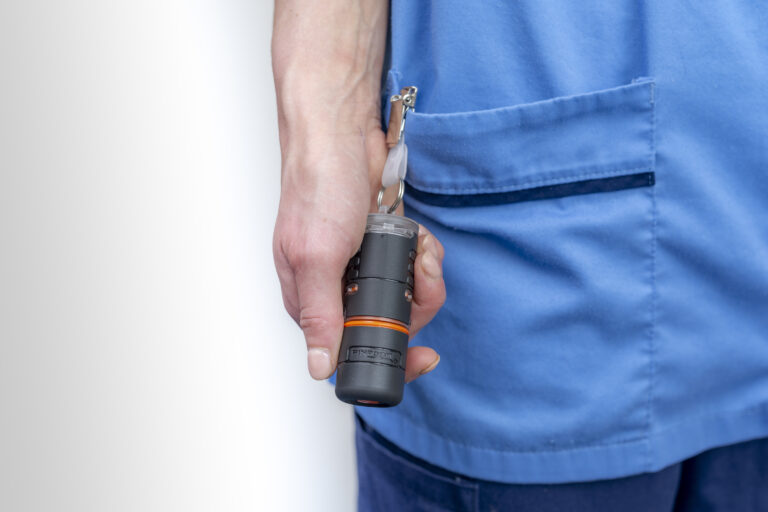
Modern staff safety systems, such as Pinpoint's Staff Safety System, enables employees to discreetly request assistance at the touch of a button, ensuring colleagues, security personnel or response teams can be alerted quickly when support is required. Faster communication can improve coordination during incidents, reduce response times and help organisations manage situations more effectively.
Importantly, staff safety technology is not simply about responding to emergencies. It also provides reassurance. Knowing that support is readily available can improve employee confidence, reduce feelings of isolation and contribute to a stronger culture of safety across an organisation.
As organisations continue to invest in workplace safety, many are looking for solutions that strengthen their existing infrastructure rather than replace it.
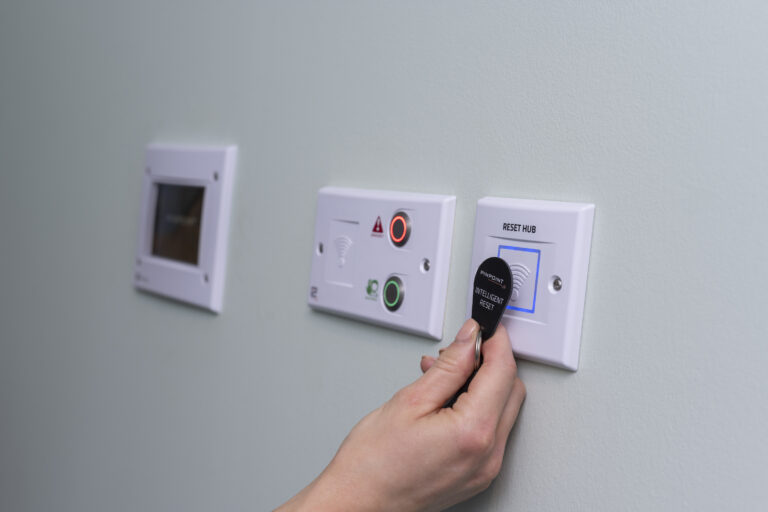
At Pinpoint, our Staff Safety Systems are designed to integrate with a wide range of existing security and technologies. Rather than operating in isolation, our solutions can work alongside CCTV, access control systems, nurse call systems and other site-wide security infrastructure to create a more connected and coordinated approach to incident response.
This integration allows organisations to maximise the value of their existing investment while enhancing visibility, communication and response capabilities. By connecting multiple systems, organisations can build a more comprehensive safety ecosystem that supports both staff protection and operational efficiency.
Whether protecting frontline healthcare professionals, educators, care staff or employees working within secure environments, an integrated approach helps ensure that the right people receive the right information at the right time when an incident occurs.
Creating safer workplaces requires more than reacting to incidents – it requires organisations to invest in prevention, preparedness and the confidence of their people. When employees know they are supported by effective procedures, comprehensive training and reliable staff safety technology, they are better equipped to focus on delivering the high-quality services their organisations depend upon.
At Pinpoint, we believe staff safety is about more than responding to emergencies. It is about helping organisations create environments where people feel safe, supported and empowered to carry out their roles with confidence. Our integrated Staff Safety Systems help organisations improve communication, enable staff to quickly request assistance, increase visibility of incidents and support faster response times, contributing to safer, more resilient workplaces for everyone.
Organisations that invest in proactive staff safety solutions are better positioned to protect employees, improve confidence and reduce the long-term costs of workplace violence. If you're reviewing your workplace violence protection strategy, get in touch with with our team to help you explore how integrated staff safety systems can support a safer working environment.