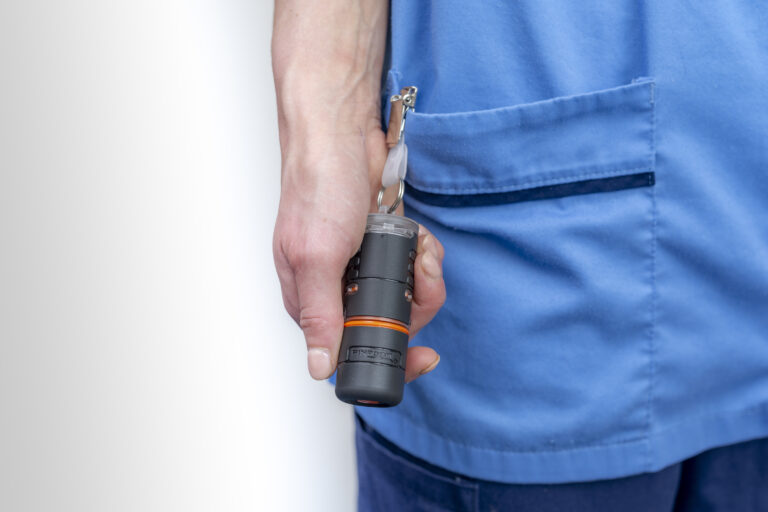
When it comes to staff safety, having the right technology is only part of the equation.
Whether you're working in healthcare, education, mental health services or another high-risk environment, the effectiveness of a personal safety device depends on how it's used every day.
Simple habits – such as wearing your device correctly, carrying out regular checks and understanding how it works – can make all the difference when a rapid response is needed.
At Pinpoint, we work with organisations across the globe to provide reliable staff safety systems that help protect employees in challenging environments. To help you get the most from your Personal Infrared Transmitter (PIT), we've put together five simple best practices to support day-to-day use.
1. Wear Your Device Throughout Your Shift
Emergencies are unpredictable, which means your personal safety device should always be with you while you're on duty.
It can be tempting to leave your PIT on a desk, in a locker or nearby when moving between areas, but doing so delays your ability to call for assistance when it’s needed most. Wearing your device throughout your entire shift ensures it's always available and located at the best position should an incident occur.
2. Keep It Accessible
Where you wear your staff safety device is just as important as wearing it. Keeping it in the correct position ensures you can access and activate it immediately when every second counts.
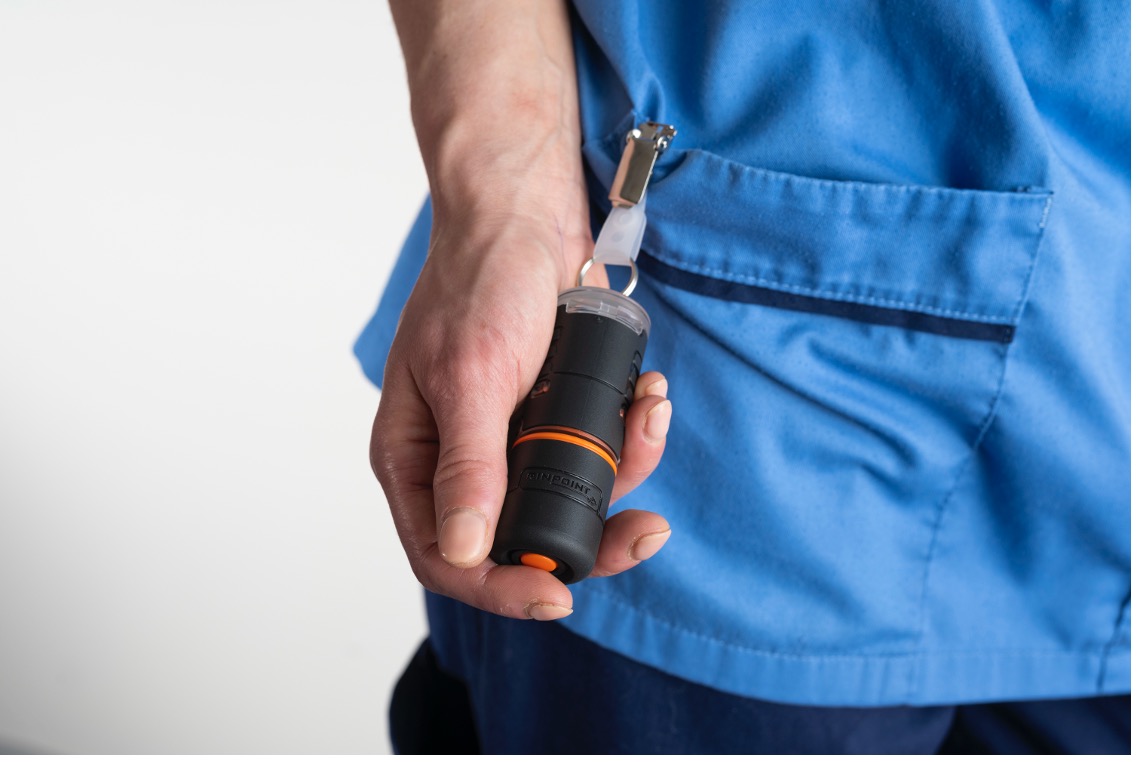
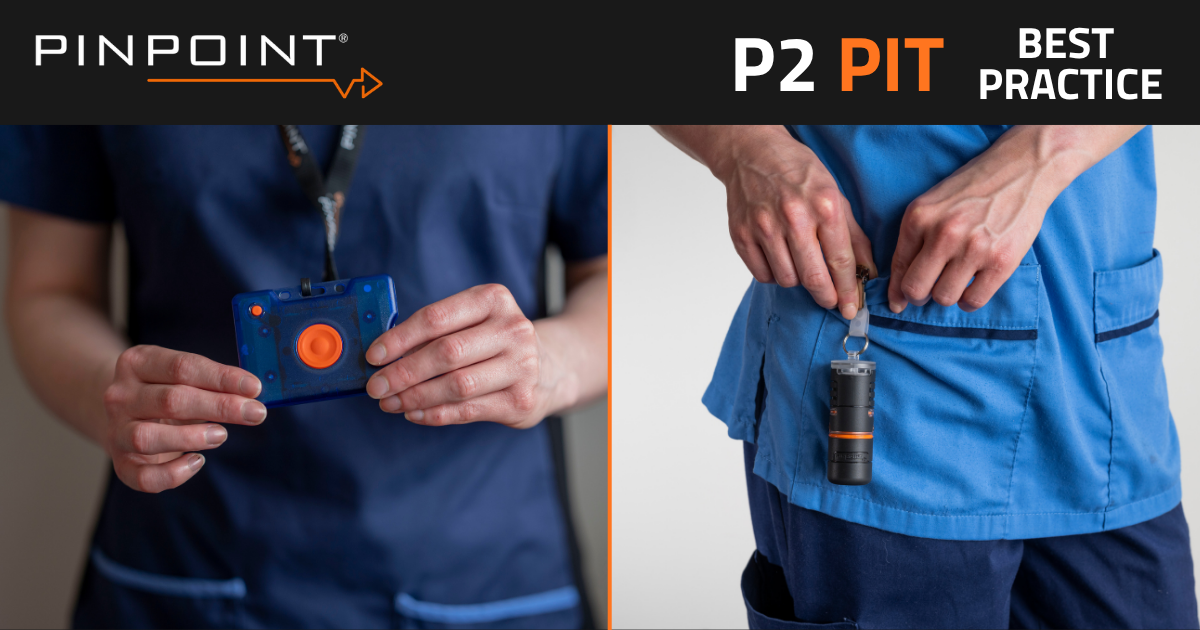
Your PIT should be worn externally in an easy-to-reach position, such as on an anti-ligature lanyard or attached securely at waist level. This allows you to activate it quickly and instinctively.
Avoid carrying your PIT in a pocket or somewhere difficult to access, as this could make it harder to locate and activate during an emergency.
3. Test Your Device Regularly
Like any piece of safety equipment, your PIT should be checked routinely to ensure it's functioning correctly.
Regular testing helps confirm that the device is operational, while monitoring the battery status reduces the risk of an unexpected downtime. These simple checks provide reassurance that your device is ready to perform when you need it most.
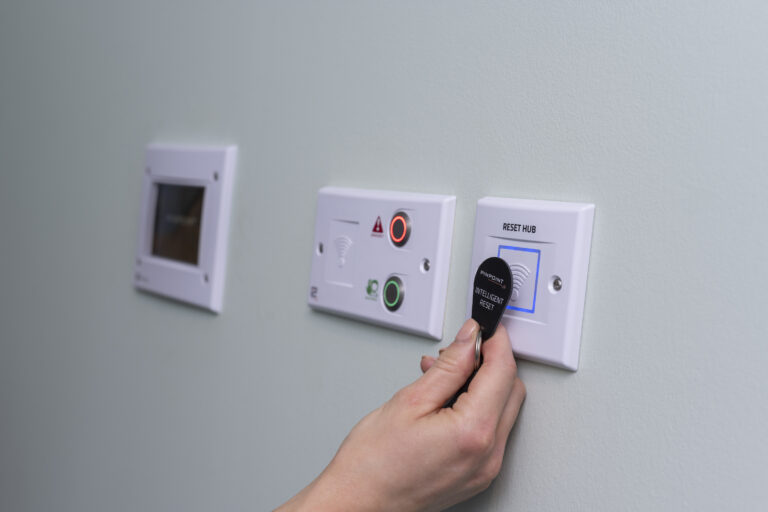
You should always energize your PIT when you come on shift or if you have used your PIT in an emergency.
Establishing regular testing as part of your organisation’s safety procedures further helps identify potential issues before they become a problem.
4. Know How Your Device Works
A personal staff safety device is most effective when users understand exactly how to operate it.
Take the time to familiarise yourself with your PIT’s assistance and emergency activation methods, and ensure any new member of staff receive appropriate training as part of their induction.
Regular refresher training can also help maintain confidence and ensures every staff member knows what to do in an emergency situation.
The more familiar staff are with their device, the more instinctive its use becomes during high-pressure situations.
Remember, the Pinpoint team is here to help. Get in touch with your local account manager for further assistance and training.
5. Look After Your Device
Your staff safety device is designed for everyday wear, and it should be treated as an important piece of safety equipment.
Avoid attaching bulky keys, fobs or other accessories that could interfere with activation, and never continue using a device that appears damaged or faulty. Any concerns should be reported immediately so the device can be inspected or replaced if necessary.
Keeping your PIT in good condition helps ensure it continues to provide reliable protection throughout its lifetime.
Small Habits That Make A Big Difference
While staff safety systems provide valuable protection, they’re most effective when supported by good everyday practices.
Wearing your device correctly, carrying out regular checks and ensuring staff are familirar with its operation all contribute to a safer working environment.
At Pinpoint, we’re committed to helping organisations create safer workplaces through reliable staff safety solutions, expert guidance and ongoining support. By following these simple best practices, you can help ensure your Personal Infrared Transmitter is always ready to perform when it matters most.
If you’d like to learn more about Pinpoint’s staff safety systems or discuss the right solution for your organistion, our team is happy to help.
P2 Badge PIT
Order more P2 Badge PITs here.

P2 PIT
Order more P2 PITs here.

- Eilidh Mcintyre
- August 4th, 2026